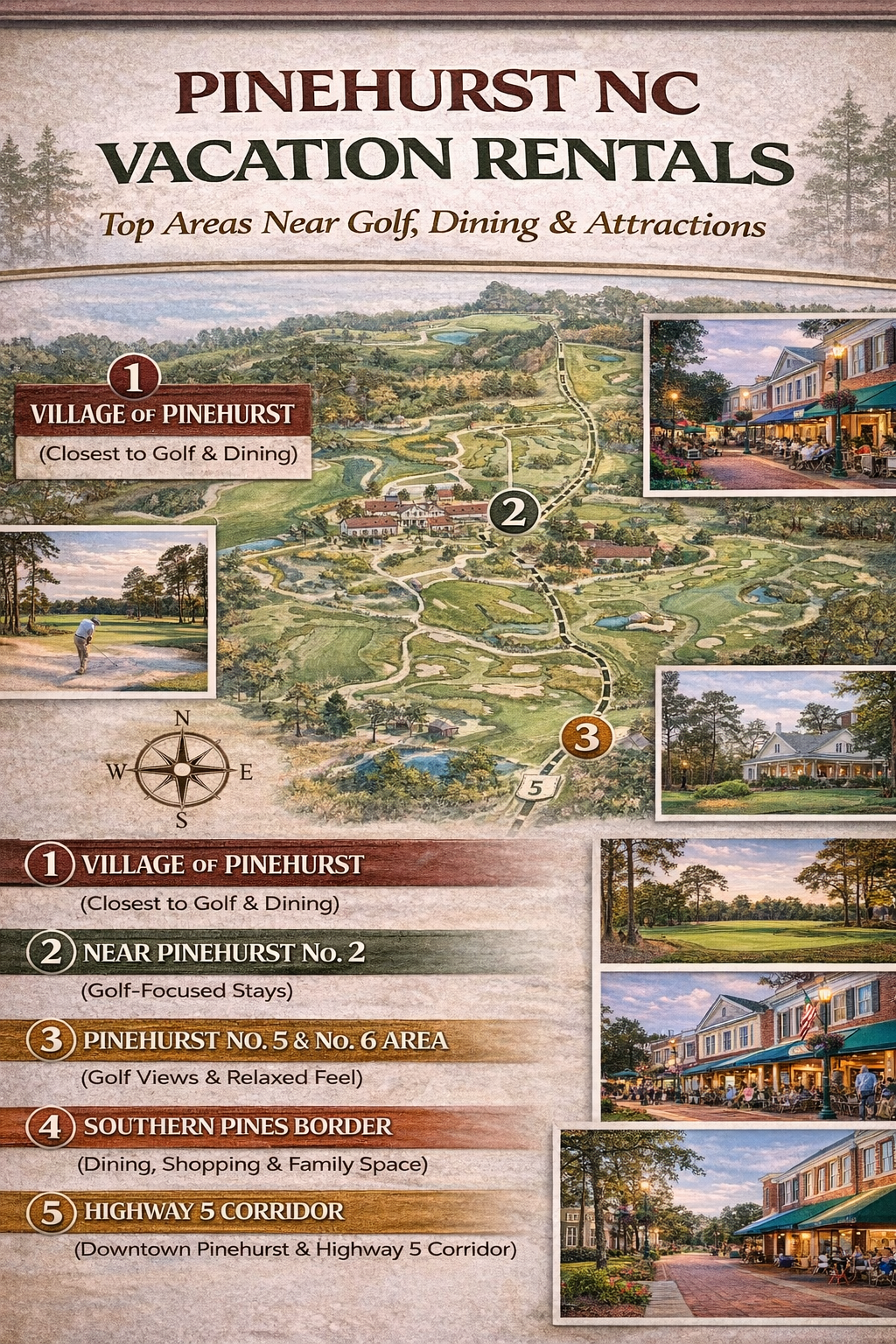
A short-term rental business involves renting out a short-term space, such as a room, apartment, or house, typically for a short period of time, such as a couple of nights or weeks. Instead of them living their long term, guests live there on vacations, on work trips, or on family visits. Many people choose to stay in short-term rentals because they feel more comfortable and private when compared to a hotel stay.
This business is a good option for beginners, families, and first-time property owners seeking additional income. Knowing how to start a short-term rental business, you will learn from selecting a place to welcome guests using simple steps that are easy to follow.
Why Start a Short-Term Rental Business?
Starting a short-term rental business can help you earn additional income from a home or property you already own. It has a flexible schedule, allowing you to juggle it with your everyday life. You can start small by renting one room or one property, which is easier for beginners.
How to Start A Short-Term Rental Business
More and more travelers want to stay for a short time, which creates an increased demand. When managed well, this business can also provide long-term value as well as steady income over time.
Understanding the Costs Before Starting
Before you start, it is important to know the costs involved. Depending on your plan, you want to buy or rent a property. Furniture, bedding, and home setup were also costs. Regular cleaning and maintenance are required after each guest. Utility bills, internet, and supplies need to be paid on a monthly basis. You will also need to keep money for repairs in case of an emergency. Planning a budget ahead of time helps you to avoid stress and manage your money wisely.
Choosing the Right Location
Location is a huge factor in the success of a short-term rental. A common approach taken by the travelers is to look for areas that are close to popular attractions, city centers, beaches, or tourist towns. Some guests prefer rentals close to airports, hospitals, or where events are being held. A good location can help you get more bookings and better reviews. Before settling on a place, see if short-term rentals are allowed in the area. Some cities have very strict rules. Picking the right location helps your rental to stay busy and profitable all year round.
Legal Rules and Local Laws
Every area has its rules for short-term rentals. Before beginning, consider local laws to determine if permits or licenses are needed. Some homeowner associations do not allow short-term rentals at all. You may also need to register your property and pay local taxes. Following the rules helps to protect your business and prevent any fines or shutdowns. It is an important step to take time to understand the legal side when learning how to start a short-term rental business.
Picking the Right Kind of Property
Choosing the right property is based on your budget and goals. You can use one room or a whole house to rent. Apartments may be cheaper, and houses have more guests. New homes may require fewer repairs, but old homes can have charm. Think about how many guests you want to host and what they might need. Picking a property that suits your budget and location can help make your short-term rental business for beginners easier to manage.
Property Preparing for Guests
Your rental should be clean, safe, and welcoming to each guest. Start areas with simple pieces of furniture such as beds, chairs, and tables. Comfortable beds and comfortable seating enable guests to relax. The kitchen should have basic items that include dishes, cups, cookware, etc.
Bathrooms need clean towels, clean soap, and clean toilet paper. Safety items such as good locks, smoke alarms, and first aid kits are very important. Small touches, such as good lighting and easy instructions, also help. When guests feel comfortable and safe, they will be more likely to leave good reviews and return in the future.
Furnishing and Decorating on the Cheap
You do not need expensive things to set up your rental. Simple, clean designs work best with most guests. You can purchase used furniture for the sake of saving money. Use neutral colors and simple layouts to open up rooms. Too many decorations or clutter is another thing to try to avoid. Focus on being comfortable, not fashionable. Comfortable beds, clean sofas, and good lighting are more important than fancy designs. Budget-friendly options keep costs low while pleasing guests.
Setting the Price for Your Short-Term Rental
It is important to set the right price for success. Start by looking at the prices of other similar rentals in your area. Choose a reasonable rate to charge for a night that is commensurate with your location and the size of your property. You can charge more during busy seasons and offer low prices during slow times. Offering discounts to people who stay in for longer may be the way to get more guests. Avoid excessive prices or insufficient prices. Good and fair pricing helps you get steady bookings and good reviews.
Creating a Strong Listing
A good listing helps guests to understand your rental clearly. Write a short and easy title that explains what you offer. Describe the space honestly, including the size of the room and limits on the number of guests. List important rules, such as quiet hours and check-out times. Mention nearby attractions like restaurants, parks, etc. Clear details help guests know what is expected and reduce problems at a later date. A good listing helps to build trust and attract the right guests. This step is very important in any short-term rental startup guide.
Taking Good Photos
Photos are an initial thing guests are likely to notice. Good photos make your rental stand out. Use natural light and capture images in daylight. Clear the clutter before taking photos. Make sure you show all rooms so that guests know what they’re booking. Phone photos can work great if they are clear. Professional photos may help, but simple, honest pictures are often enough.
Managing the Communication of Guests
Communications are the key to happy guests. Answer questions quickly but clearly. Be nice and friendly in all messages. Communicate check-in and check-out rules in advance. Deal with guest requests in a calm and positive way and try to assist where you can. Keep messages short and simple to understand. Clear communication helps to avoid confusion and helps build trust. Guests who feel supported are more likely to leave positive reviews and recommend your rental to others.
Cleaning and Maintenance Plan
Cleanliness is very important with short-term rentals. The space should be cleaned after each guest. Use a checklist to make sure you do not miss anything. You can either clean the property yourself or pay a cleaning service. Check regularly for repairs such as leaks or broken items. Fix things as quickly as possible to keep your guests safe and happy. Clean and well-maintained rentals receive better reviews and more bookings in the long run.
Dealing with Reviews and Feedback
Reviews help your business grow. Ask guests to leave reviews after they stay. Thank guests for good reviews, and politely respond to negative reviews. Learn from feedback to become a better rental. Stay calm when dealing with complaints and try to resolve problems as quickly as possible. Good reviews benefit future guests by building a level of trust for your rental and your ability to get more bookings.
Common Mistakes to Avoid when Starting Out
Simple mistakes are made by many beginners. Ignoring the local rules can result in fines or shutdowns. Bad cleaning can result in dreadful reviews. Pricing too high or too low can result in fewer bookings. Slow response to guests can lead to frustration. Spending too much money in the early part may cause financial stress. Avoiding these mistakes helps your rental run smoothly and helps you have a better chance at long-term success.
Expanding Your Short-Term Rental Business
Once you have a successful first rental, you may want to grow. You can add more properties as you can get. Improve guest experience by increasing comfort and service. Better service enables you to increase prices gradually. Use the feedback from guests to make smart changes. Grow only when you are ready. The careful planning assists your business in growing without any issues.
Is This Business Right for You?
A short-term rental business is a good option for people who love to host and plan. It requires patience, hard work, and organization. Starting small helps you to learn without high risk. In order to build trust, treat guests well and respectfully. Long-term success can come about by making small improvements over time. This short-term rental startup guide shows how, with the right mindset and planning, beginners can grow a stable and lucrative rental business.